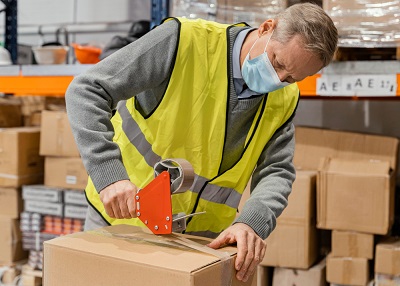
In busy Australian warehouses, the final step before goods leave the facility often determines whether deliveries arrive intact and on time. Poorly sealed cartons can split during transport, expose products to damage or cause unnecessary returns. While manual taping might seem adequate for small volumes, growing operations quickly discover its limits. Modern carton sealer machines provide consistent, professional sealing that improves efficiency, reduces labour strain and strengthens carton integrity. For businesses handling regular dispatch volumes, upgrading end-of-line packaging equipment is a practical way to boost productivity and protect reputation. This guide explains how these systems work, the different configurations available, how to choose the right option and what kind of operational benefits you can expect.
Why Proper Carton Sealing Matters
Cartons travel through conveyors, trucks and distribution networks before reaching customers. Weak seals increase the risk of:
- Carton flaps opening in transit
- Product exposure to dust or moisture
- Damaged or missing goods
- Customer complaints
- Higher freight claims Manual taping depends heavily on operator technique. Tape tension can vary, seals may be uneven and fatigue becomes an issue in high-volume environments. Carton sealer machines eliminate this inconsistency by applying uniform pressure and tape placement to every box.
What These Systems Do
At their core, carton sealer machines automatically apply adhesive tape to the top and bottom flaps of cartons. Depending on the model, boxes may be fed manually or integrated into a conveyor line. Typical components include:
- Adjustable side guides
- Top and bottom tape heads
- Drive belts
- Height adjustment mechanisms
- Safety guards By standardising the process, carton sealer machines reduce human error and increase output speed.
Types of Sealing Equipment
Selecting the right system depends on box sizes, daily throughput and integration requirements.
Semi-Automatic Units
Operators position cartons into the machine, and the system seals the top and bottom. Best suited for:
- Small to medium operations
- Consistent carton sizes Advantages:
- Affordable
- Simple to operate
- Minimal training required Limitations:
- Manual box feeding required
Automatic Random Size Units
These machines adjust automatically to varying carton heights and widths. Best suited for:
- E-commerce fulfilment
- Mixed carton dimensions Advantages:
- No manual size adjustment
- High productivity Limitations:
- Higher upfront investment
Fully Automatic Line Integration
Designed for high-volume production lines, these systems integrate with conveyors and other packaging equipment. Best suited for:
- Large distribution centres
- Continuous production environments Advantages:
- Maximum efficiency
- Reduced manual handling Limitations:
- Requires more space and planning Each configuration of carton sealer machines serves different operational needs.
Manual Taping vs Automated Sealing
FactorManual MethodAutomated SystemSpeedSlowerFast & consistentSeal QualityVariableUniformLabour FatigueHighReducedTape UsageInconsistentControlledLong-Term CostHigher labourLower operational costFor businesses sealing dozens or hundreds of cartons daily, carton sealer machines offer clear performance advantages.
Real-World Warehouse Scenario
An Australian wholesaler dispatching 800 cartons daily relied on manual taping. Operators experienced repetitive strain, and tape usage was inconsistent. After installing carton sealer machines:
- Sealing speed doubled
- Tape consumption reduced by 15–20%
- Staff were reassigned to picking tasks
- Carton failure rates dropped significantly The improved consistency enhanced both efficiency and customer satisfaction.
How to Choose the Right Equipment
A structured approach ensures the best return on investment.
Step 1: Assess Daily Volume
- Under 200 cartons/day → Semi-automatic model
- 200–1,000 cartons/day → Random size automatic
- 1,000+ cartons/day → Fully integrated system
Step 2: Evaluate Carton Size Variability
If box dimensions frequently change, automatic adjustment is essential.
Step 3: Review Space and Layout
Ensure adequate room for safe operation and conveyor integration if required.
Step 4: Consider Tape Type
Most systems use standard BOPP tape, but confirm compatibility with your preferred material.
Key Features to Look For
When evaluating carton sealer machines, prioritise reliability and adaptability.
Feature Checklist
- Adjustable side belts
- Quick tape head replacement
- Emergency stop button
- Durable steel frame
- Low maintenance design
- Compatibility with conveyor systems Quality construction ensures consistent sealing even in demanding industrial environments.
Advantages of Upgrading
Operational Benefits
- Faster packing throughput
- Improved seal strength
- Reduced worker fatigue
- Professional carton appearance
- Consistent tape placement
Financial Benefits
- Lower labour allocation
- Reduced product damage
- Predictable tape usage
- Faster dispatch turnaround While initial costs vary, many businesses achieve ROI within the first year due to labour savings and improved efficiency.
Maintenance and Longevity
Regular maintenance keeps equipment operating smoothly.
Maintenance Checklist
- Inspect tape heads weekly
- Clean drive belts
- Check alignment of side guides
- Replace worn blades promptly
- Schedule periodic servicing Well-maintained carton sealer machines can operate reliably for many years with minimal downtime.
Workplace Safety Considerations
Australian WHS regulations highlight the importance of reducing repetitive strain and manual handling. Automating the sealing process minimises bending, twisting and repetitive wrist movements associated with hand taping. This supports a safer workplace while maintaining consistent output.
Sustainability and Material Efficiency
Controlled tape application reduces waste compared to manual taping. Over time, consistent usage can lower packaging material costs and reduce environmental impact. By improving efficiency, carton sealer machines contribute to both operational and sustainability goals.
Frequently Asked Questions
Pricing depends on automation level and features. Semi-automatic units are more affordable, while fully integrated systems require greater investment.
Most models are user-friendly and require only brief operator training.
Yes. Random size models automatically adjust to varying dimensions.
Yes. Automated application ensures consistent and controlled tape placement.
Many medium-volume facilities recover their investment within 6–12 months.
Final Thoughts
Efficient carton sealing plays a vital role in end-of-line packaging performance. Investing in carton sealer machines enhances consistency, protects products and improves workplace safety. If your operation still relies heavily on manual taping, upgrading to an automated solution could significantly improve productivity and reduce long-term costs. Assess your daily volume, evaluate your workflow and consider whether modern sealing equipment could strengthen your packaging process for years to come.